
Vintage Book Aesthetic: Stories Found in Old Pages and Photographs
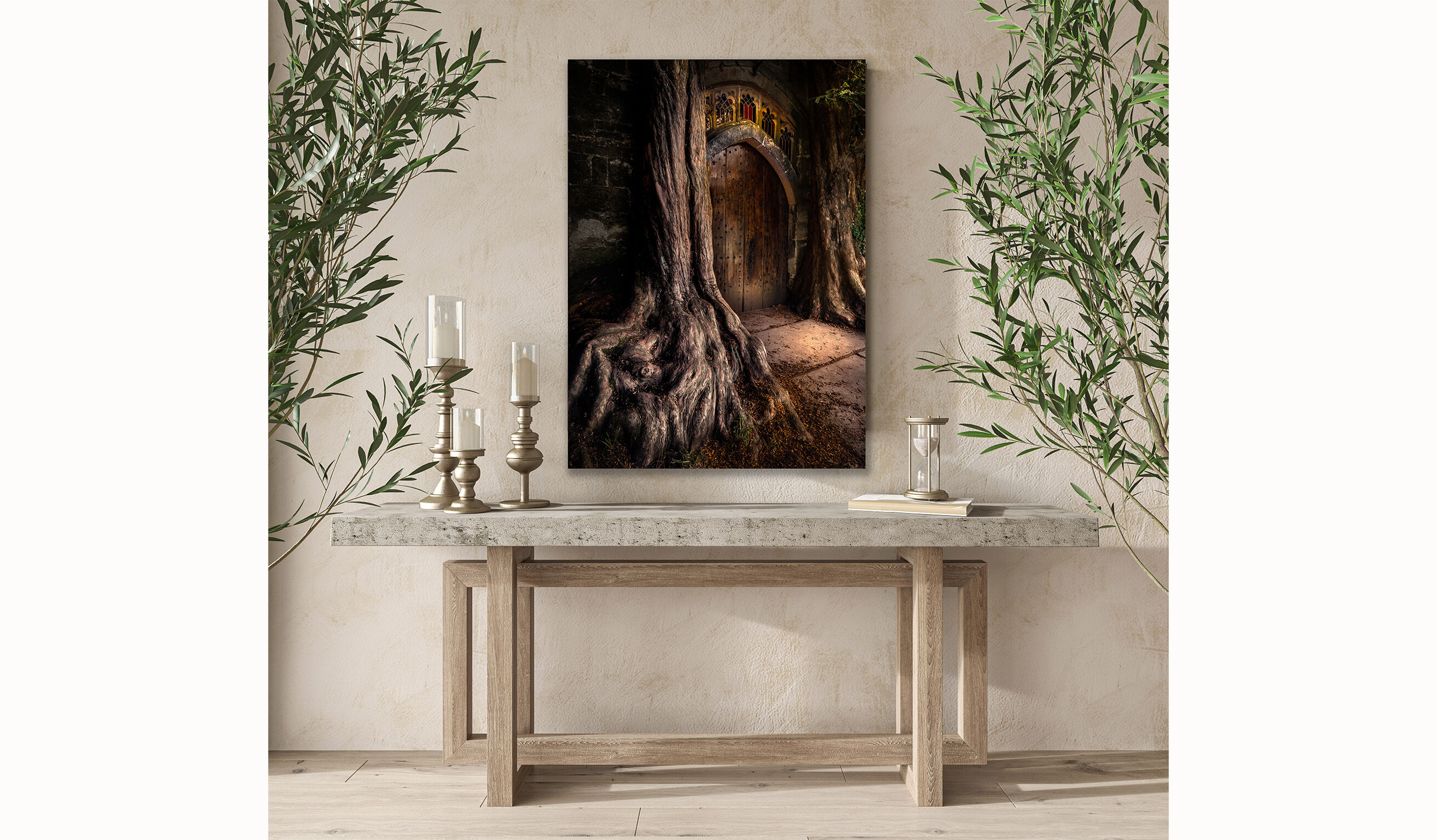
If you’ve ever read The Hobbit or any of the Lord of the Rings novels, you will be well familiar with J.R. Tolkien’s incredible ability to be descriptive. This man created an entire world—languages, history, family trees, geography, species, mythology. It’s mind-boggling to think of everything that went into this universe he built from his own mind. It overtook the world, and countless threads have been spun from that single weave. Amazing.
Now, I’ve always wanted to write a book. But frankly, I don’t think my attention span could handle sticking to one thing chapter after chapter after chapter—let alone having the ability to create such an extensive world like Tolkien did. But that doesn’t mean I’m not inspired. So for this image—or ironically, these books—I wanted to try and describe every little thread, crack, and color. To let you feel and smell them just by looking at a photo. Much like how you can see and hear the trees after Tolkien goes on for pages describing the specific woody bark of the forest. So, with The Shire and Middle-Earth in mind, here it goes:
The books in this picture reflect years of use. Their bindings are cracked and faded, the gold engravings stating their names rubbed off in places by the hands that held them. All have a color that defines them, yet each carries marks of faded tans, reds, oranges, and browns. They say that a picture is worth a thousand words, and with this image, I think we can take that literally.
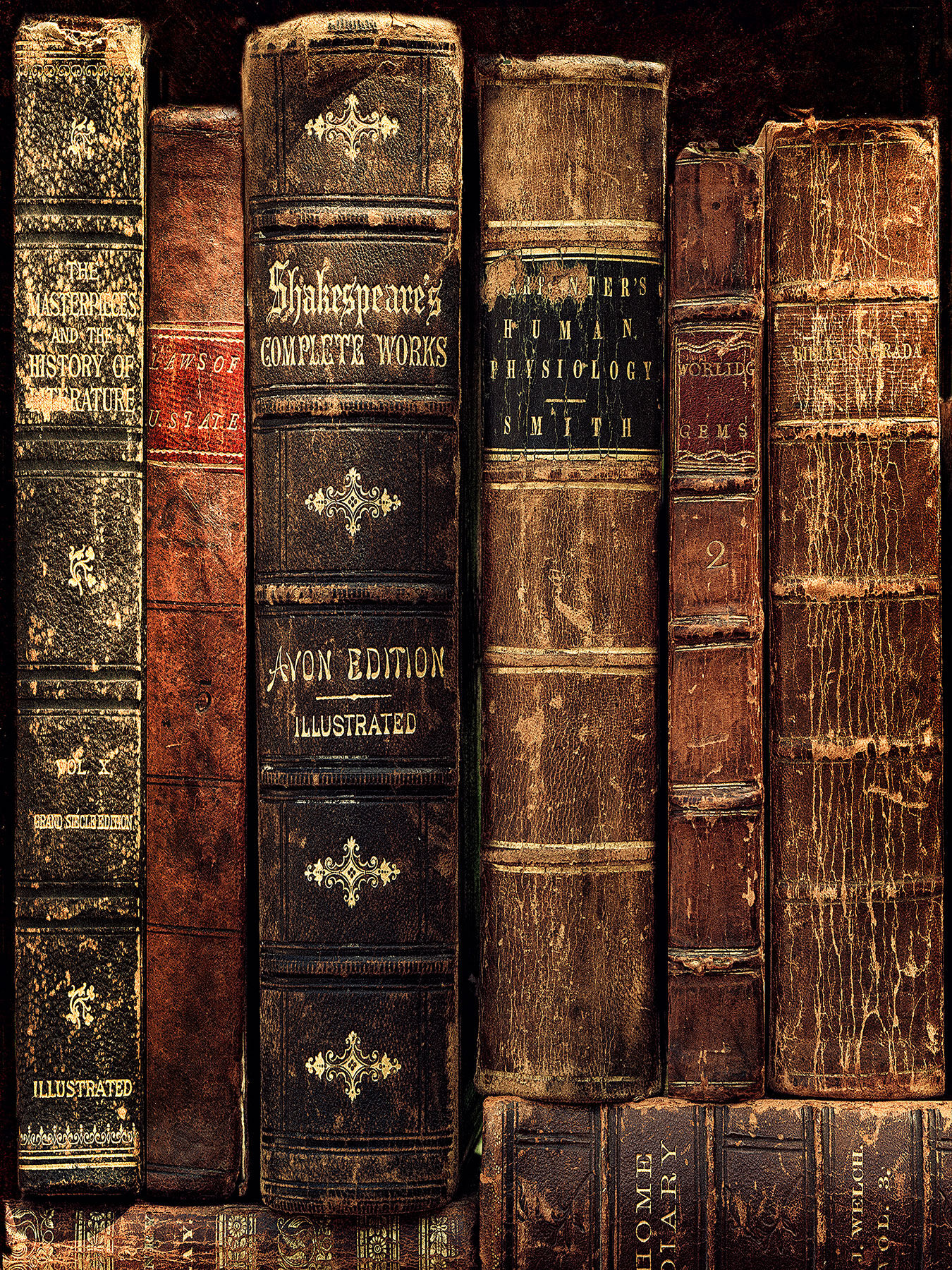
The first book has a ribbed binding, each gold crease making a memorable dent in your mind. The words written at the top state the name of an author and their works. Its color looks like it was once a deep green, but it has now faded to dark gray—a sign that the pages inside were well turned. The sun has set on the vibrance of newness, and we are left with a soft familiarity. The top half of the spine is almost entirely faded away, the tan binding underneath creating an immense amount of contrast. I envision a barefoot young girl holding it close as she sits beneath her favorite oak, sunlight peeking through the leaves to shed light on the world she now lives in within the pages.
The shorter book sitting next to it is a burnt orange, muddled with dark marbling. The binding is not nearly as worn as the first—perhaps a second favorite, but not the first in our reader’s mind. It almost looks like raw, unfinished leather holding the yellowed pages together. There is a large black book accompanied by a name both large in type and in recognition. The title, Shakespeare’s Complete Works, is written prominently on the worn binding, acting as a centerpiece to the bookshelf as well as the photograph itself. The ribs on this book are not concave but instead reach outward, almost beckoning from the shelf.
Next to it sits another large text. It is a worn brown, with an unknown gold title standing out against a black band. The original color of this book is not quite clear to me. The fading and scratches take most of the color away, leaving only the gray of dust and the browns of the binding. No doubt a result of being plucked from the shelf time and time again for the reader’s enjoyment.
A larger binding on the shelf looks as if it has seen many more hands than the others. The title is barely visible—just a slight flash of gold is all you can make out. Vertical lines show cracks that stretch from top to bottom, giving the appearance that these pages have been turned countless times over the years. Without the title visible, my curiosity is piqued, and much like those before me, my eyes are eager to scan each page and learn its story.
Though all different in size and wear, there is still a perfect balance within this carefully curated bookshelf. The dark shadows surrounding them make the books appear warm and worn, sending off a soft glow against the black emptiness of the now-full shelf. These bindings stand out—proud of their worn spines and faded words. A true mark of a job well done and a life well lived.
When I look at this image from a personal perspective, I can’t help but feel a deep sense of familiarity. The image itself brings me joy, and the thought of the history each book holds—both in its words and in its readers over the years—brings even more waves of contentment. I envision the time when each book was written, and seeing all the cracks, I can tell they have lived long and very useful lives.
I recently heard a saying: “A book that is falling apart is usually owned by someone who isn’t.” I have a feeling this quote speaks to others just as it does to me. There is a magic in these books as they tell a story beyond the ones written on their pages. Each crease, folded corner, and rubbed-off title tells the story of the person who held it, wrote in it, used it to learn, or to escape into another world.
When I see this image, I’m reminded that in most places we look or go, our history is very much a part of our present.
- Haley Flynn
