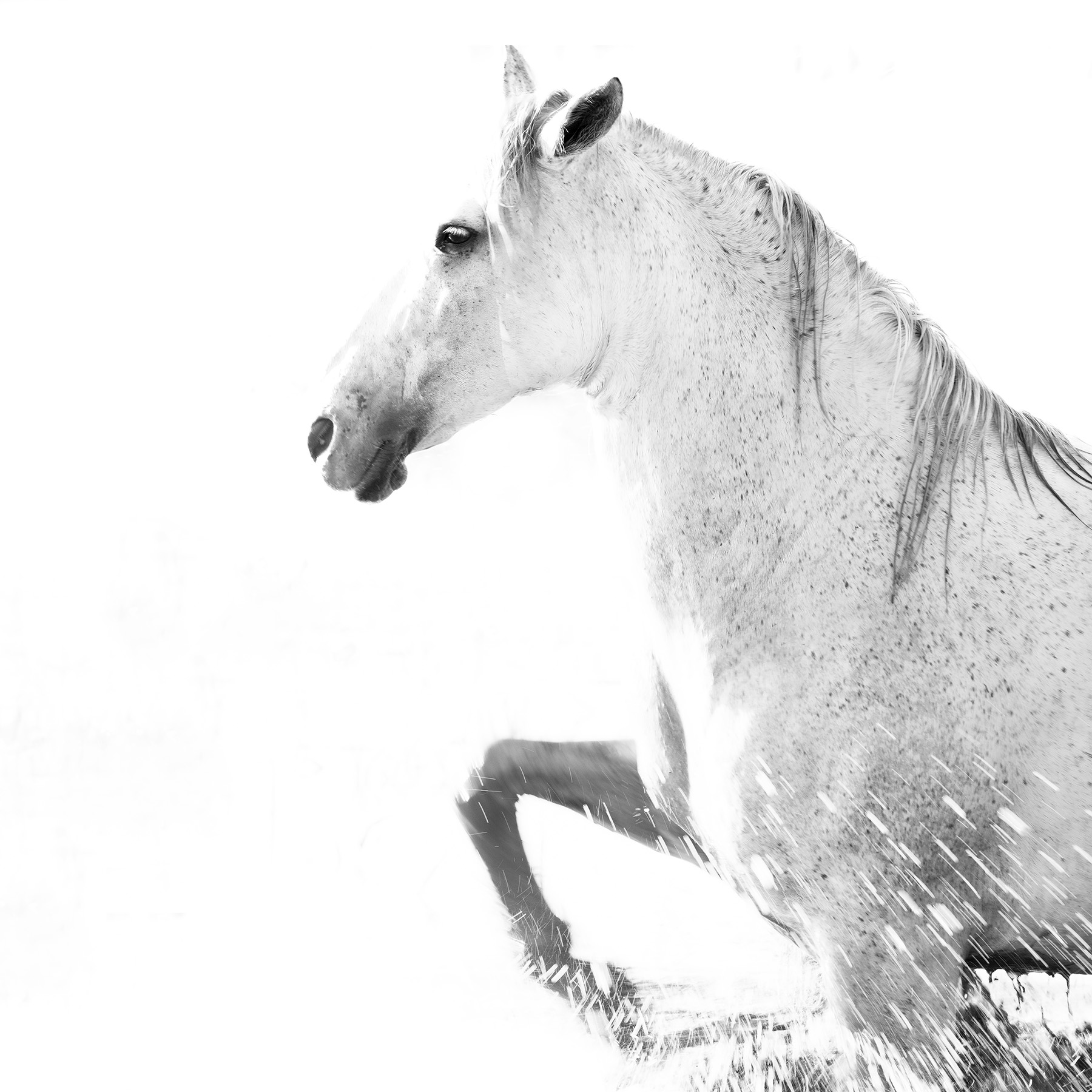
The Wild Camargue Horses of France
The Iconic Camargue Horses
Few animals capture the imagination like the Camargue horses—those iconic, pale-coated stallions splashing through the shallow marshes of southern France. Witnessing these beautiful animals as they gallop across the sand is an encounter you will never forget!
A Brief History of the Camargue Horse
The Camargue horse is one of the oldest breeds in the world, with roots believed to stretch back thousands of years. They have roamed the Rhône River delta—now the Camargue region in Provence, France—since at least Roman times, possibly earlier.
Born of the Marshes
Camargue horses evolved in a landscape of salt flats, wetlands, wind, and fluctuating tides. To survive harsh conditions, they have developed hardy compact bodies with strong hooves that are resistant to soft marsh terrain. They are calm and intelligent with exceptional stamina and agility. These incredible animals are often compared to the wild horses of Mongolia and Iberia for their ancient lineage and natural resilience.
Why Are Camargue Horses White?
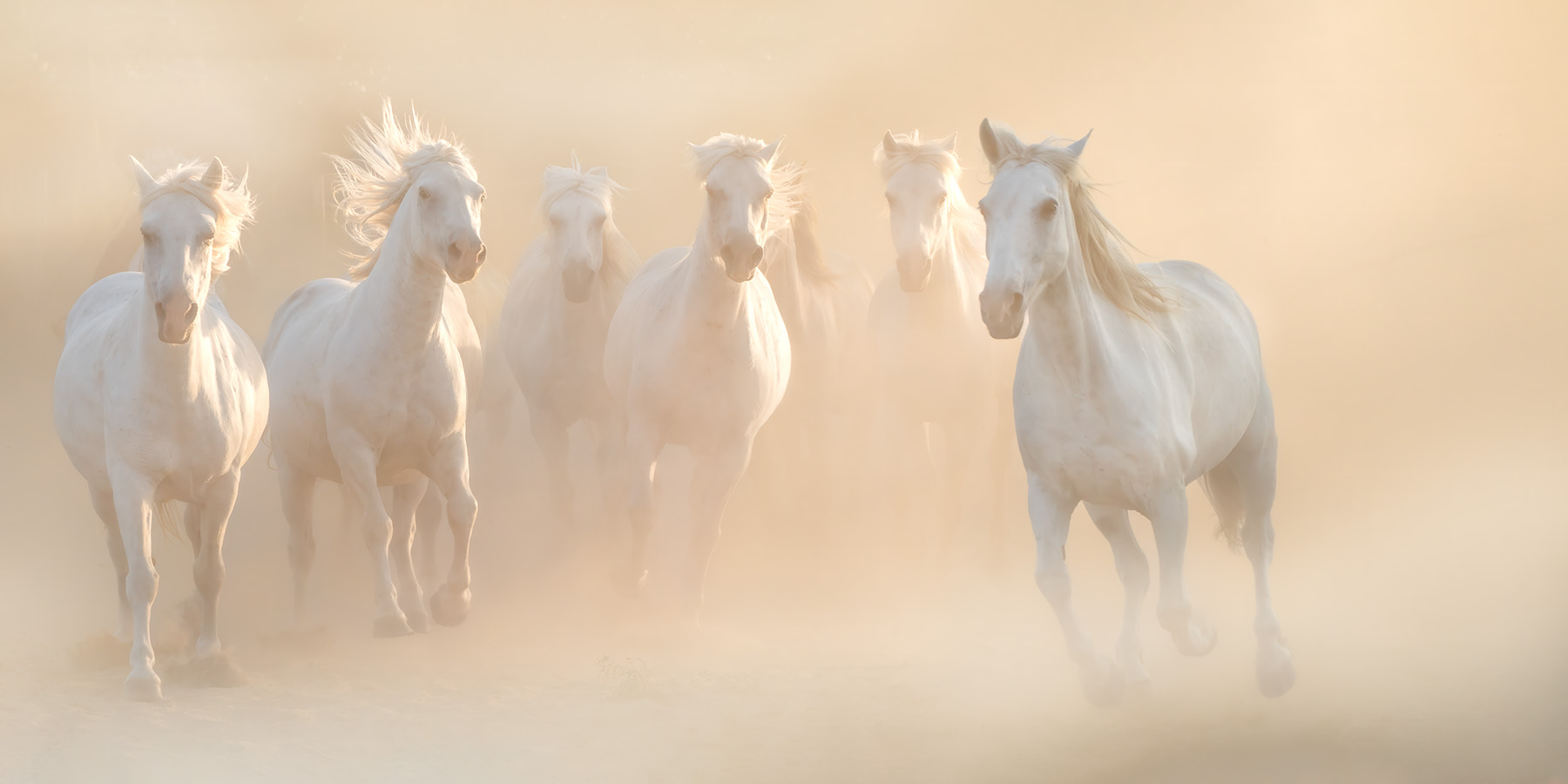
When foals are born, they’re actually dark brown or black. Over time, typically by age 4, they transition into their famous white/light gray coats. This trait helps them reflect heat in the intense Mediterranean sun while offering camouflage among the bright salt marshes. This striking coloration is also key reason why they are so photogenic, bringing photographers and tourists from around the world to witness their wild beauty.
What Makes the Camargue Horses Unique?
These aren’t fully domesticated horses. They roam free in herds, guided by local “guardians” (Camargue cowboys) who manage the horses and the region’s black cattle. These guardianship traditions date back centuries. These guardians also offer riding demonstrations where the public have the opportunity to ride them through the salt marshes due to their natural balance and sure-footedness.
Where Can You See Camargue Horses?
There are three primary ways to see them—each providing a different experience.
1. Parc Naturel Régional de Camargue
This is the heart of the wild Camargue landscape:
- Vast wetlands
- Flamingo-filled lagoons
- Windswept grasslands
You may spot free-roaming herds along the rural backroads or near the marshes. Early morning and golden hour are best.
2. Saintes-Maries-de-la-Mer
This seaside town is the cultural center of Camargue riding. Many manades and ranches operate nearby, offering:
- Horseback rides
- Guided wildlife tours
- Demonstrations of guardian traditions
3. Manades (Ranches) & Guided Photography Sessions
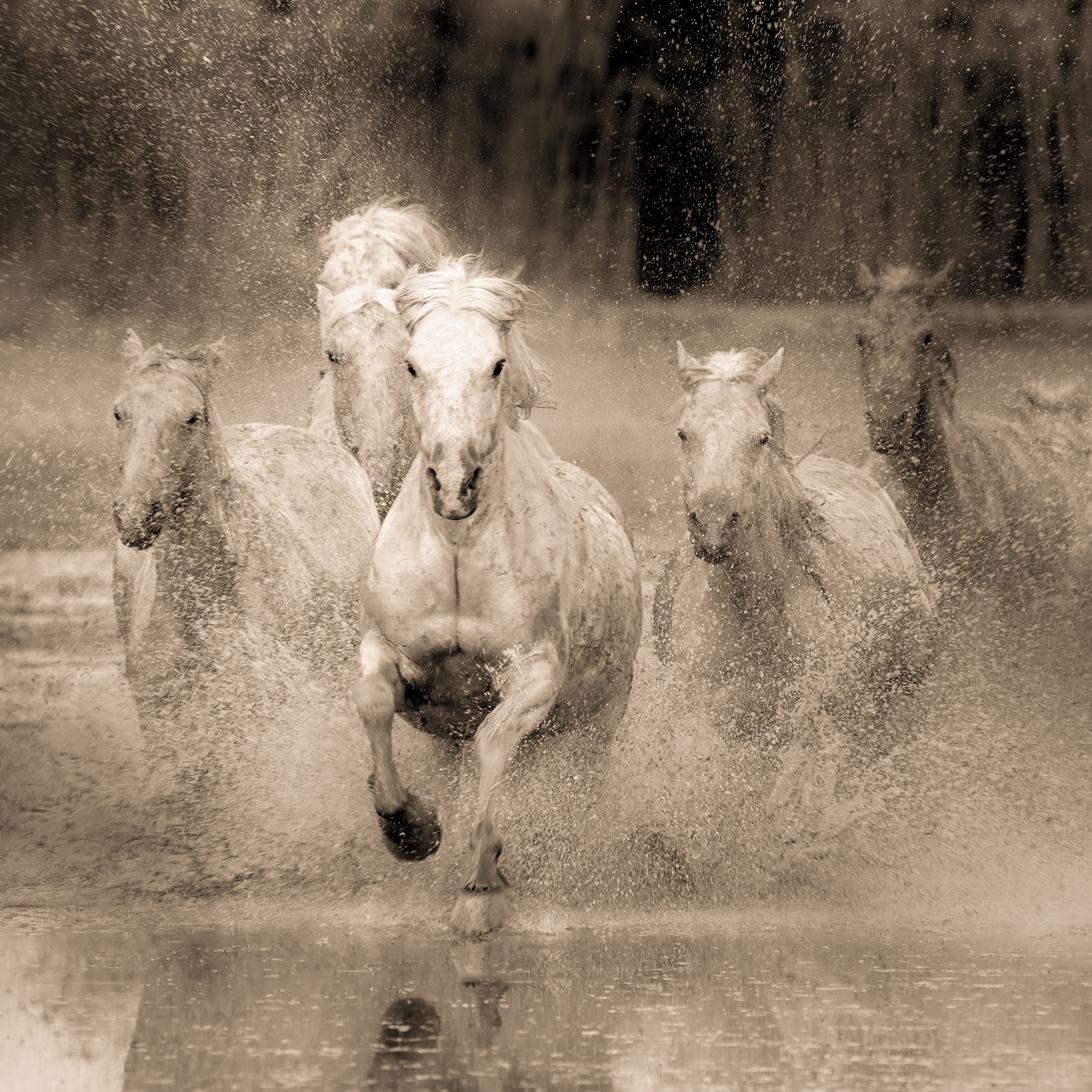
For photographers, this is the most reliable and ethical way to get dramatic action shots. Many local ranches host sunrise or sunset photo sessions where guardians guide the horses through:
- Shallow water
- Marsh grass
- Dusty plains
These sessions are generally respectful and safe for the animals while allowing visitors the signature images the region is known for.
Is it Ethical to Photograph Camargue Horses?
Yes, if done correctly. Choose manages with good reputations who lead small group photo tours that prioritize animal welfare. Avoid chasing horses or flying drones too close to them and always resect private property. Responsible tourism helps to preserve both the horses and the cultural heritage of the region.
When Is The Best Time To See And Photograph Camargue Horses?
The best seasons are April through June for milder weather, green landscapes and active wildlife. September through October offer warmer sunsets and calmer crowds. The best times of day are sunrise, for its misty pastel light and golden hour for glowing coats and warm tones. The Camargue is flat and open, perfect for capturing low-angle light.
How Much Does a Camargue Horse Photography Tour Cost?
The typical price range for a photography tour ranges from 150-300 euros for group sessions to over 2000 euros per day for professional multi day photography workshops.
Frequently Asked Questions
Are Camargue horses endangered?
No. The breed is well-managed and stable, though its habitat is sensitive to climate change and regional development.
Can you ride Camargue horses?
Yes—many manades offer guided rides across beaches or wetlands.
Do they really run through the sea?
Yes—and no.
They don’t do this naturally every evening like a movie scene.
But during guided sessions, guardians safely direct them through shallow water for riders or photographers.
Why are they associated with freedom and wildness?
Their semi-feral lifestyle and iconic imagery—manes flying, hooves splashing—have become symbols of natural beauty and untamed spirit.
A Photographer’s Final Take
The Camargue horse is a perfect blend of history, culture, and natural grace. Photographing them isn’t just about shutter speeds and backlighting—it’s about experiencing the rhythm of the marshes, the smell of sea wind, the sound of hooves in water, and the timeless tradition of the guardians.
If you’re planning a trip, my advice is simple:
Go early, go with respect, and let the horses move the way they’ve moved for centuries.
Your best photos will come when you’re patient enough to let the Camargue reveal itself.