
The Timeless Architecture of Italy
The Timeless Architecture of Italy | A Visual Journey
Italy is a country that feels like it was designed for beauty. Every stone, every staircase, every sun-washed building façade seems to belong to an eternal gallery of art. For travelers, photographers, artists, and lovers of design, Italian architecture offers an endless source of inspiration—not only to experience in person but to bring into your home or office as gallery quality fine art.
Italy is a country that feels like it was designed for beauty. Every stone, every staircase, every sun-washed building façade seems to belong to an eternal gallery of art. For travelers, photographers, artists, and lovers of design, Italian architecture offers an endless source of inspiration—not only to experience in person but to bring into your home or office as gallery quality fine art.
In this comprehensive exploration, we’ll walk through the history of Italy’s architectural evolution, examine the visual details that make Italian streets so photogenic, and understand why these images translate beautifully into interior décor.
A Brief History of Italy’s Architecture
Italy’s architectural story is layered like a centuries-old fresco. Each era has contributed its own distinct forms, colors, and textures.
1. Ancient Rome: The Foundation of Western Architecture
Roman architecture set the blueprint for much of the Western world. Think massive columns, carefully engineered arches, and the use of concrete that allowed for structures like:
- The Colosseum, with its rhythmic arcades
- Roman forums, framing public life
- Aqueducts, combining utility with elegance
Many of Italy’s modern cities grew directly over these ancient structures, creating a physical and visual timeline.
2. Medieval & Romanesque: Fortress-Like Modernity
As the empire faded, Italy’s architecture shifted toward defensive forms:
- Thick stone walls
- Narrow passageways
- Watchtowers rising above towns
These medieval textures still define cities like Siena, San Gimignano, and Assisi.
3. Renaissance Brilliance: Harmony, Geometry, and Humanism
The Renaissance was Italy’s architectural rebirth:
- Brunelleschi’s dome in Florence
- Michelangelo’s sculptural façades
- Palladio’s symmetrical villas
Proportion, mathematical clarity, and human-centered design became the new artistic vocabulary.

4. Baroque Drama: Curves, Flourishes, and Grandeur
The Baroque period introduced movement, emotional intensity, and theatricality:
- Winding staircases
- Richly decorated churches
- Elaborate fountains
Rome's Trevi Fountain and Turin’s palaces remain iconic examples.
5. Modern Italy: Preservation Meets Innovation
Contemporary Italy blends:
- Restored historical buildings
- Minimalist new architecture
- Creative urban regeneration projects
The result is a country where modern life unfolds within ancient beauty.
The Visual Details That Make Italy Irresistible
Italy is not just about famous monuments. The magic lies in its small details, each a perfect photographic subject.
Cobblestone Streets: Texture and Timelessness
Cobblestones—known in Italian as sampietrini—are miniature sculptures in their own right.
They reflect centuries of footsteps, creating:
- Unexpected light patterns in morning and golden-hour sun
- Organic shapes that ground a photograph in history
- Texture that gives depth and dimension to prints
Hung as artwork, cobblestone images add a grounding, tactile element to a room.
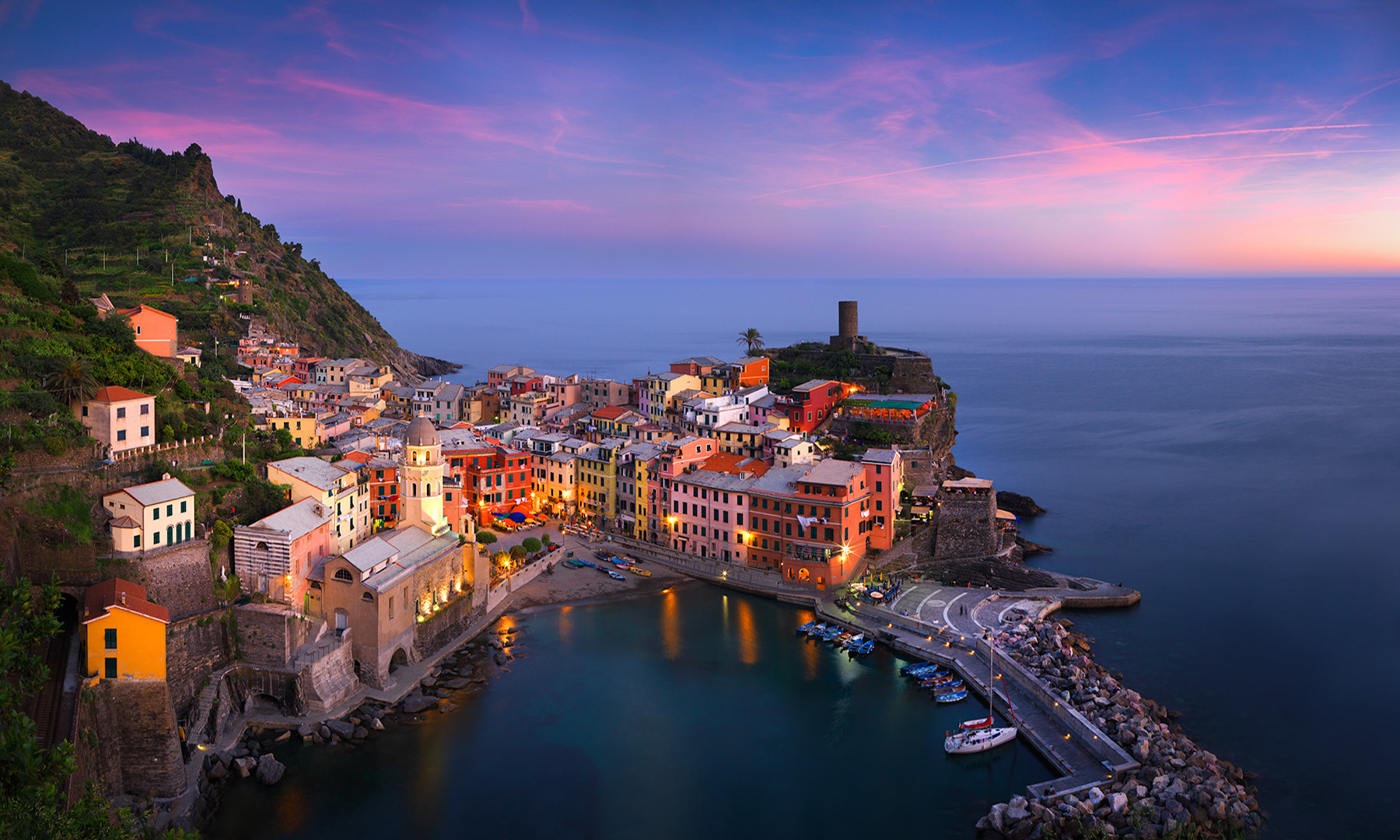
Colorful Buildings: Italy’s Painted Soul
From Cinque Terre’s sherbet tones to Bologna’s terracotta reds, Italian cities are drenched in color.
These palettes were historically tied to:
- Local pigments
- Climate considerations
- Regional identity
As photographic art, these colorful façades bring vibrancy, warmth, and emotional energy into interior spaces.
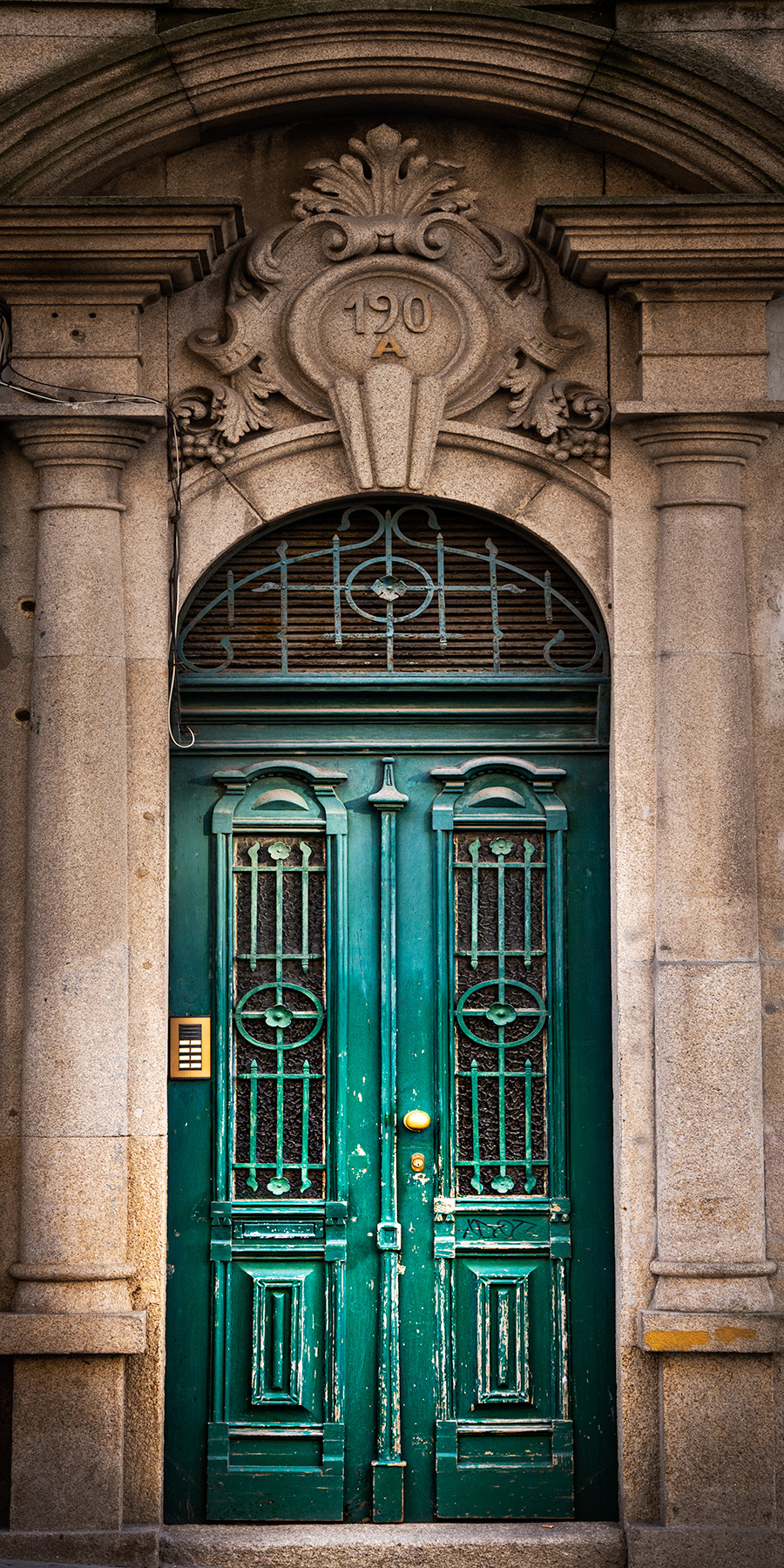
Doors: Portals Into Culture
Italian doors are famously ornate—each one telling a story.
You’ll see:
- Hand-carved wooden designs
- Aged metal knockers shaped like lions or hands
- Faded paint that captures weather and history
Door photographs symbolize curiosity, transition, opportunity—perfect symbolism for home or office décor.
Staircases: Geometry, Mystery, and Movement
From sweeping Baroque staircases to narrow stone steps climbing hillside towns, Italy’s stairs offer:
- Leading lines for compelling compositions
- Architectural rhythm
- Mystery, inviting the viewer upward or inward
In artwork, staircase imagery adds motion, sophistication, and depth.
What makes Italy’s colorful buildings so photogenic?
Italy’s colorful buildings draw photographers because they provide natural compositional variety—contrast, symmetry, texture, and vibrant hues shaped by centuries of culture. The way Mediterranean sunlight interacts with these pigments intensifies the colors, creating images that feel warm and alive. The imperfections and patinas—cracked paint, exposed stone, vine-covered walls—add character that makes every photograph feel storied and authentic.
Italian architectural photography and interior design
Italian architectural photography brings depth, color, and sophistication into interior design. Cobblestone textures add grounding earthiness, pastel houses bring joy and warmth, and monumental structures introduce grandeur. These images serve as conversation pieces and can shift the mood of a room—making a workspace more inspiring or a living room more inviting. Many designers use Italian imagery because it blends easily with modern, rustic, industrial, and classic styles.
What cities in Italy are best for capturing architectural details?
Italy is full of architectural gems, but standout options include:
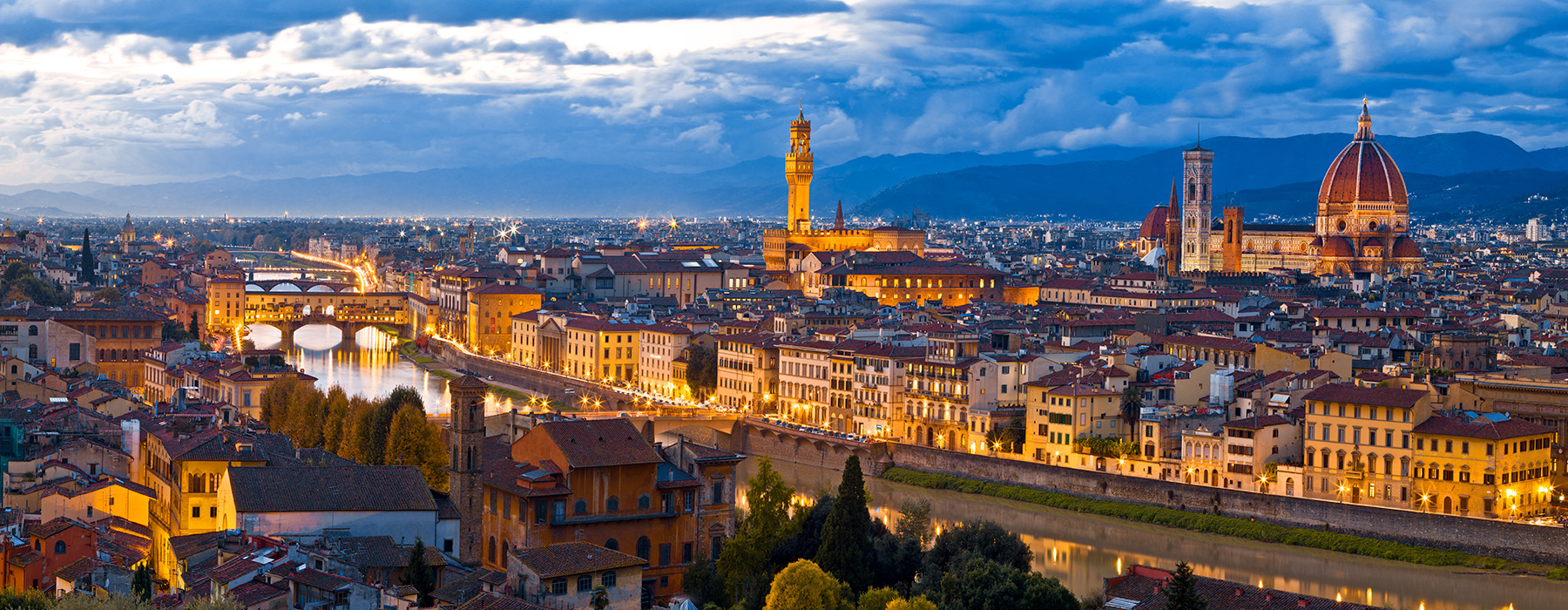
- Florence: Renaissance perfection—domes, facades, stone bridges.
- Venice: Water-washed palazzos, reflections, Gothic windows.
- Rome: Ancient, medieval, Baroque—thousands of textures.
- Cinque Terre: Cliffside homes in joyful colors.
- Bologna: Porticos, warm tones, medieval towers.
- Matera: Cave dwellings and sculpted stone steps.
Traveling to Italy: Experiencing the Architecture Yourself
If you’re inspired to bring the camera—and your curiosity—to Italy, here are some tips for a meaningful architectural adventure:
1. Wander Without a Map
Italy rewards the aimless explorer. Some of the best shots aren’t on postcards—they’re hidden in:
- Quiet alleys
- Courtyards
- Side streets
- Forgotten stairways
2. Wake Up Early
Dawn gives:
- Soft, diffused light
- Empty streets
- Dramatic shadows on stone and plaster
This is when Italy feels like it belongs only to you.
3. Visit Smaller Towns
Beyond Rome and Florence, towns like:
- Polignano a Mare
- Orvieto
- Bergamo
- Lecce
offer unique textures and perspectives.
4. Capture Details, Not Just Landmarks
The soul of Italian architecture is often found in:
- Window sills
- Flower boxes
- Door knockers
- Textured walls
These intimate scenes make stunning prints.
5. Embrace the Imperfections
Italy’s beauty lies in:
- Cracked stucco
- Weathered stone
- Tilted staircases
- Faded murals
These imperfections tell stories—and make your photography feel alive.
Italy is more than a place; it’s an aesthetic language. Its architecture speaks through color, detail, craftsmanship, and history. Whether you’re decorating your home, seeking artistic inspiration, or planning a trip to capture the beauty firsthand, Italy offers an architectural feast that transcends time. If you'd like to discuss beautiful art from Italy into your home, reach out to us through this website. We would love to elevate your walls!