Namibia: Where Desert, History, and Heritage Converge
Geography & Natural Wonders
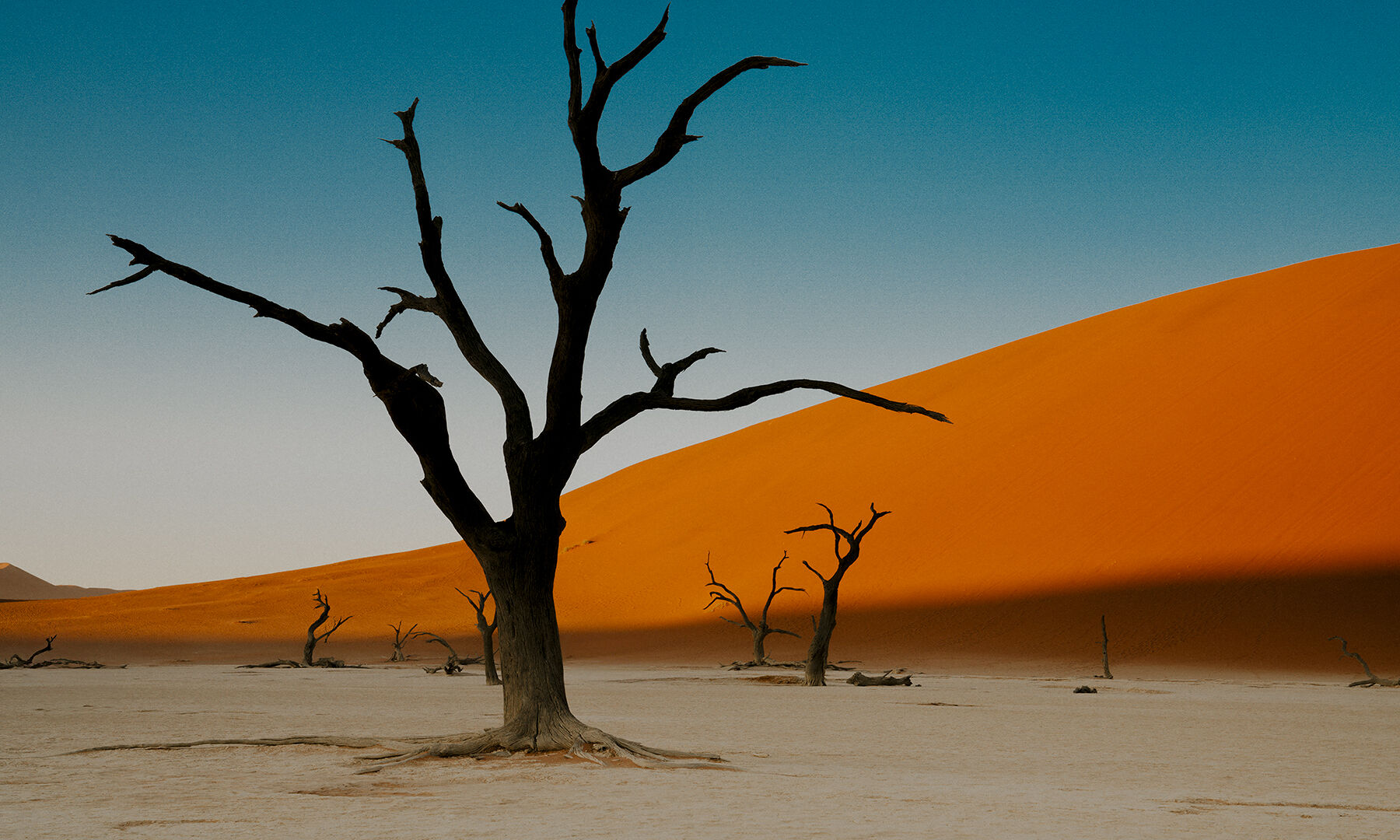
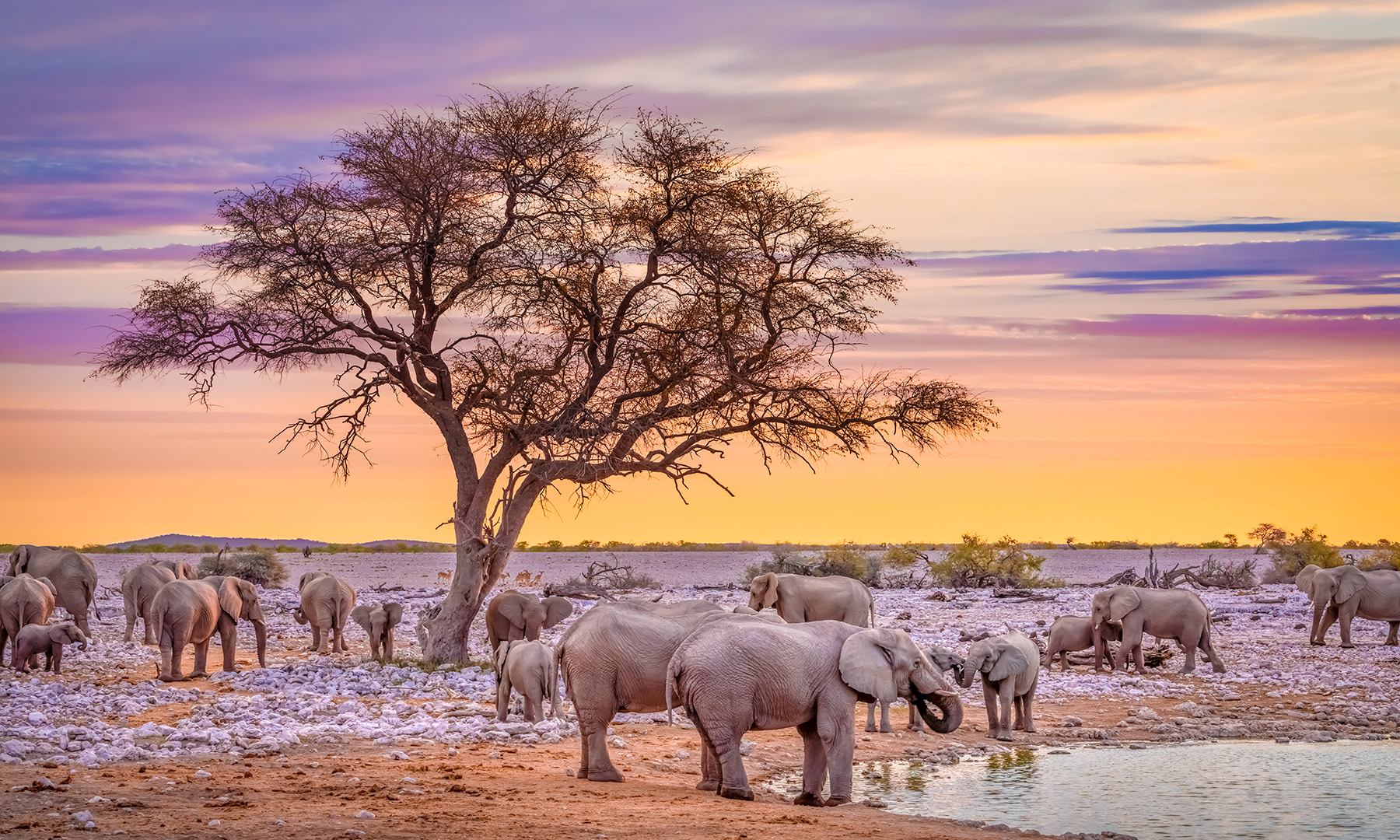
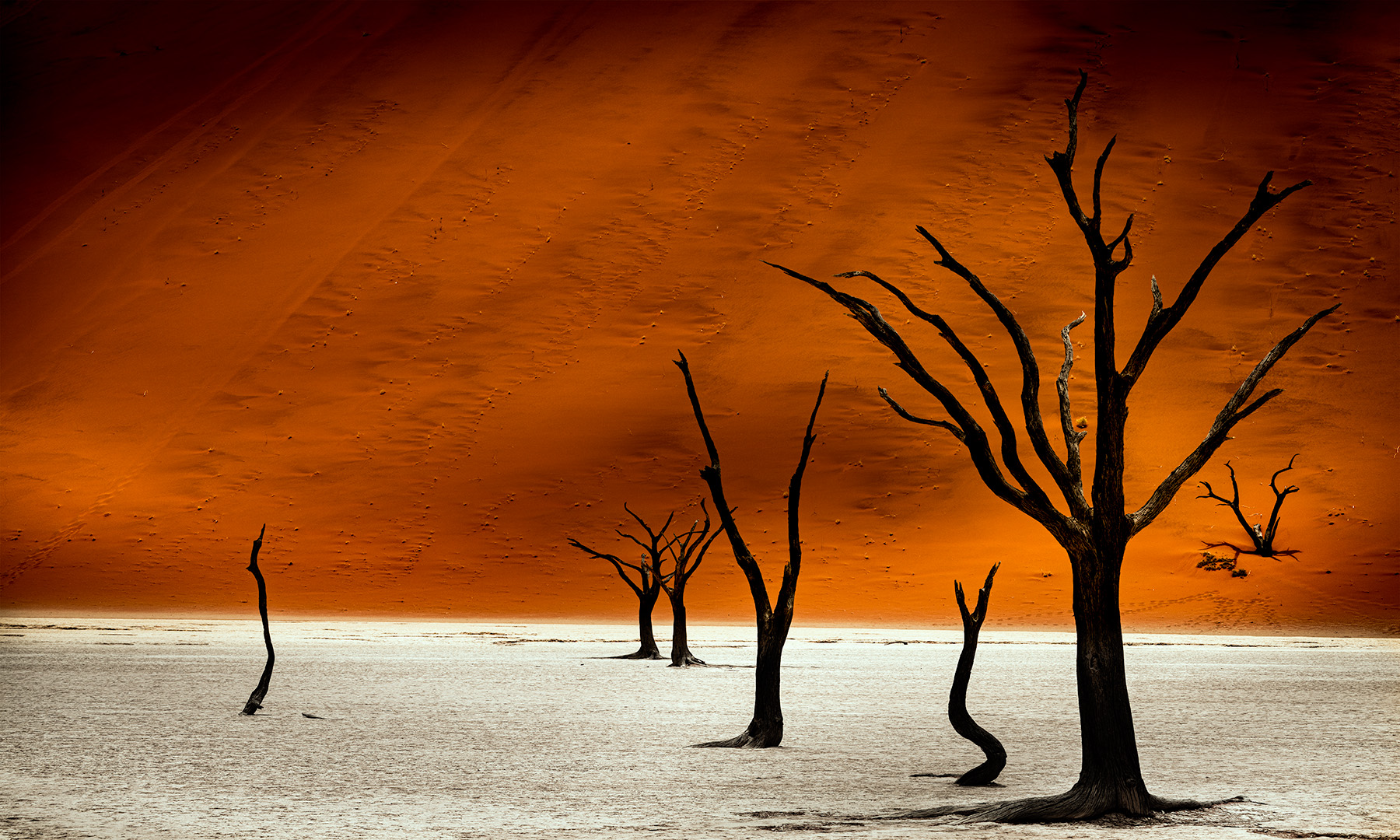
Located in southwestern Africa, Namibia is a land of extraordinary contrasts — from the fiery red dunes of the Namib Desert, one of the world’s oldest deserts, to the rugged escarpments and savannas of the interior plateau. It shares borders with Angola, Zambia, Botswana, and South Africa, with the Atlantic Ocean forming its dramatic western edge. The Namib and Kalahari Deserts define much of its landscape, creating vast, otherworldly scenes that attract photographers and travelers from around the globe. Namibia is also home to Etosha National Park, one of Africa’s premier wildlife reserves, where salt pans and waterholes host elephants, lions, rhinos, and countless bird species.
History & Independence
Namibia’s story is one of resilience and rebirth. Originally inhabited by San (Bushmen), Nama, Herero, and Ovambopeoples, the region became a German colony in the late 19th century, known as German South West Africa. The colonial period was marked by conflict and tragedy, including the Herero and Nama genocide (1904–1908). After World War I, the territory came under South African administration and remained so until a decades-long struggle for independence led by SWAPO (South West Africa People’s Organization) culminated in Namibia’s independence in 1990. Its capital, Windhoek, now stands as a vibrant cultural and economic hub blending African traditions with European influences.
Culture, People & Modern Identity
Today, Namibia is celebrated for its cultural diversity and deep connection to the land. Over a dozen ethnic groups contribute to its dynamic identity, including the Himba, known for their ochre-covered skin and pastoral lifestyle, and the Damara, Nama, and Caprivian peoples, each with distinct languages, music, and crafts. Despite its arid climate and small population — just over 2.5 million people — Namibia boasts a stable democracy, a strong conservation ethic, and one of the world’s most successful community-based wildlife management programs.